4 hr 30 min
Boozy Brazilian Cooking Class with 9 Recipes
- Entry ticket
- Mobile voucher
- Valid same day
- Free cancellation
Cooking Classes In Rio De Janeiro — Market Tours & Private Kitchens
Salt, lime and dendê oil, a city translated through its pans.
Compare fares, pick the fit — all bookings are mobile-voucher and eligible for free cancellation where shown.
4 hr 30 min
4 hr
1 hr
| Experience | Duration | Rating | Pickup | Guide | Small group | Free cancel. | Price | |
|---|---|---|---|---|---|---|---|---|
|
Standard Entry
Most popular
Boozy Brazilian Cooking Class with 9 Recipes
|
4 hr 30 min | ★ 4.7 | — | ✓ | ✓ | ✓ | €74 | Book → |
|
Standard Entry
Copacabana Brazilian Cooking Experience with Transfers
|
4 hr | ★ 5.0 | ✓ | — | — | ✓ | €100 | Book → |
|
Standard Entry
Beginner Samba Class with Carnival Professionals in Ipanema
|
1 hr | ★ 4.9 | — | — | — | ✓ | €22 | Book → |
Worth it for cooks, skippable for casual eaters
The honest case for cooking classes in rio de janeiro is that you are not buying a meal, you are buying a recipe you can repeat. A restaurant feijoada gives you one lunch; a class gives you the ratio of black beans to smoked pork, why the couve is sliced that thin, and what farofa is actually for. The same holds for moqueca — once you understand dendê oil and coconut milk balance, you can rebuild it at home in any country. That transfer of technique is the entire value proposition, and it is why the best cooking classes in rio de janeiro tours start at a feira with the cook picking chayote and pitanga rather than in a kitchen. If you cook twice a month, the payoff is real. If you do not cook at home, you are paying tour prices for a lunch you could eat cheaper at a botequim.
Bottom line: Book a cooking classes in rio de janeiro tour if you want to carry the recipe home, and skip it if you only want to eat well tonight.
They complement each other; most visitors who do both call cooking classes in rio de janeiro tours the more immersive, while food tours provide a more efficient survey of local flavors.
|
Top pick Cooking Classes |
Guided Food Tours | |
|---|---|---|
| Level of Participation | High (hands-on preparation) | Low (observation and tasting) |
| Skill Acquisition | Detailed culinary techniques | Cultural history and gastronomy context |
| Time Investment | 3–5 hours | 2–4 hours |
| Social Atmosphere | Intimate group collaboration | Casual strolling with group |
| Culinary Focus | Recipe mastery and ingredients | Tasting varied street food |
| See tickets & prices |
Verdict: Choose cooking classes in rio de janeiro tickets if you prioritize mastering local gastronomy, or opt for a guided food tour if you prefer discovering regional staples across multiple locations.
Hand-picked experiences loved by thousands of travelers
4 hours
Free Cancellation
Discover Rio's culinary soul through 12+ authentic tastings in two legendary beachside neighborhoods
3 hours
Free Cancellation
Master charcoal-grilled seafood techniques with a local chef in a relaxed Copacabana patio setting
4 hours
Free Cancellation
Learn to prepare authentic Brazilian dishes and caipirinhas in this hands-on culinary experience
2 hours
Free Cancellation
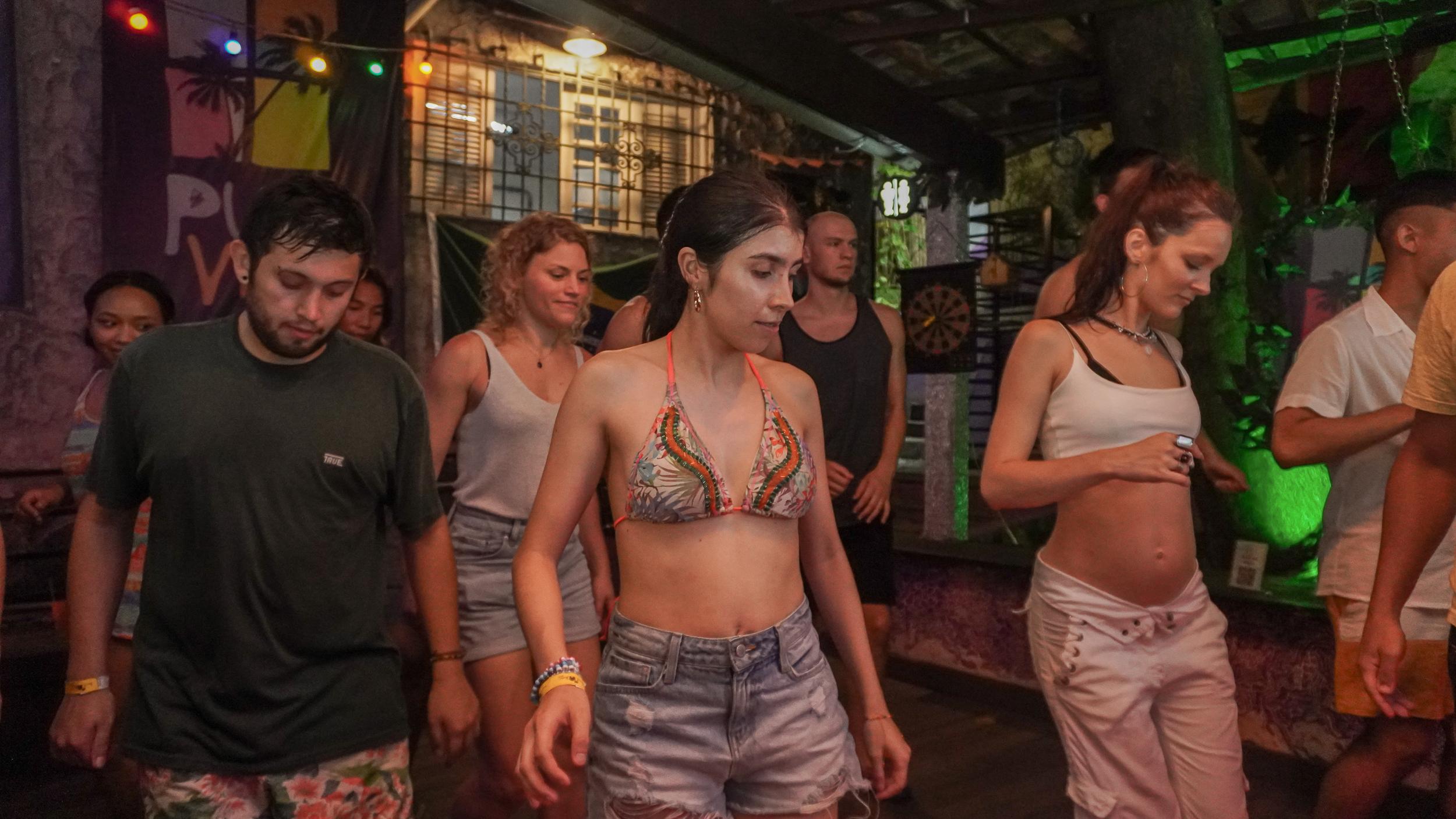
Mix Brazil's iconic cocktail, dance samba with a pro instructor, and party with travelers in Copacabana
5 hours
Free Cancellation
Discover Rio's waterfront hideaway with authentic churrasco, caipirinhas, and a thrilling canal cruise
5 hours
Free Cancellation
Explore the world's largest urban rainforest with cascading waterfalls, ancient caves, and panoramic Rio views
8 - 9 hours
Free Cancellation
Full-day exploration of Rio's most celebrated landmarks with optional churrascaria lunch and cable car rides
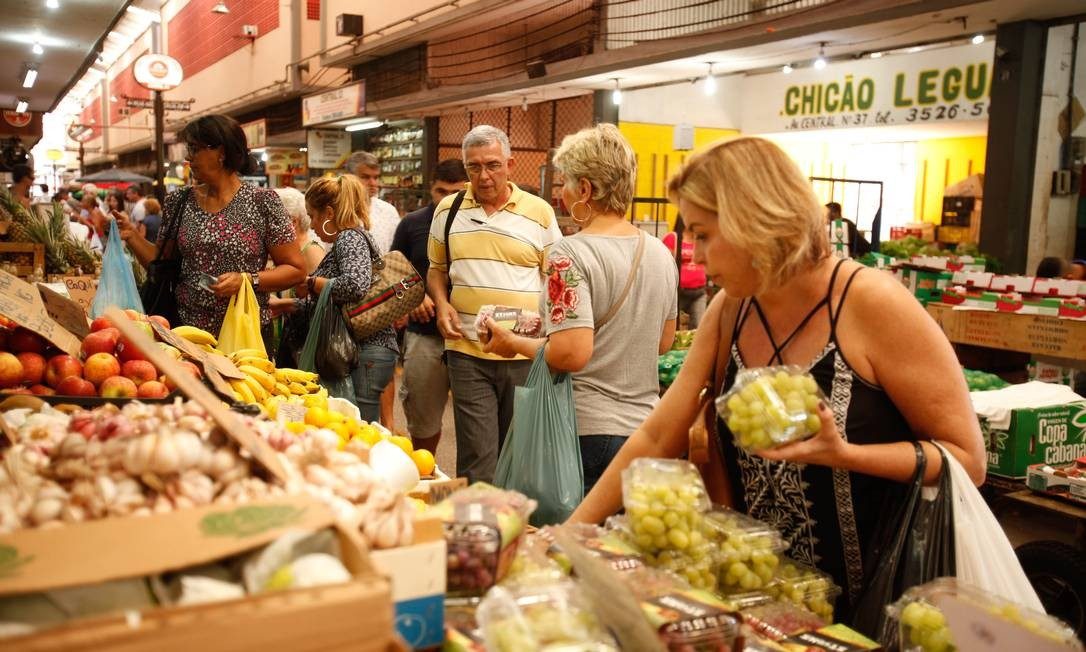
You meet your chef at a market stall, usually between 09:00 and 17:00, when the produce is still stacked and the fishmongers have not yet packed down. You learn to press a chayote, to smell a bunch of coriander, to tell fresh dendê from oxidised. Your host buys eight or ten items and hands you two bags to carry.
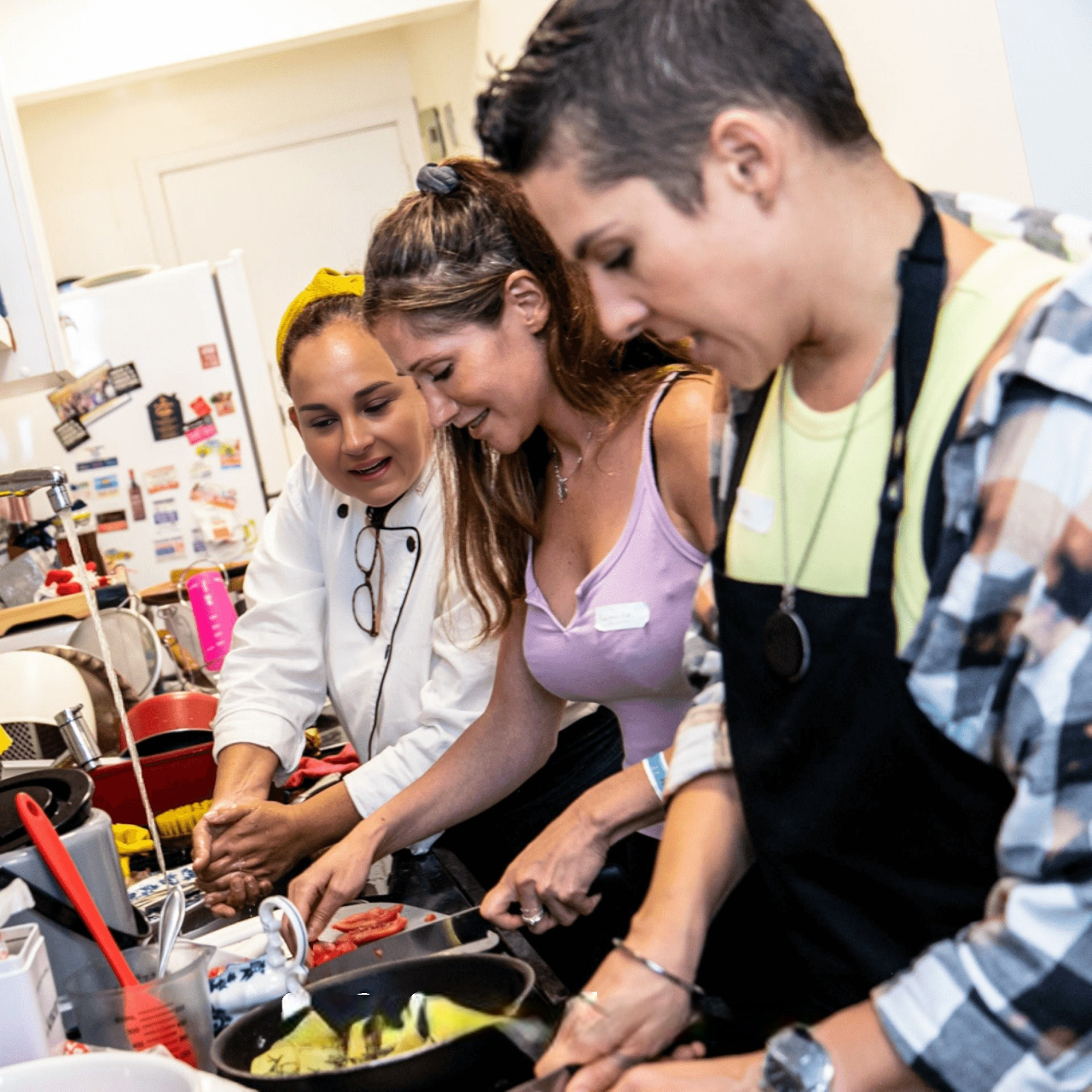
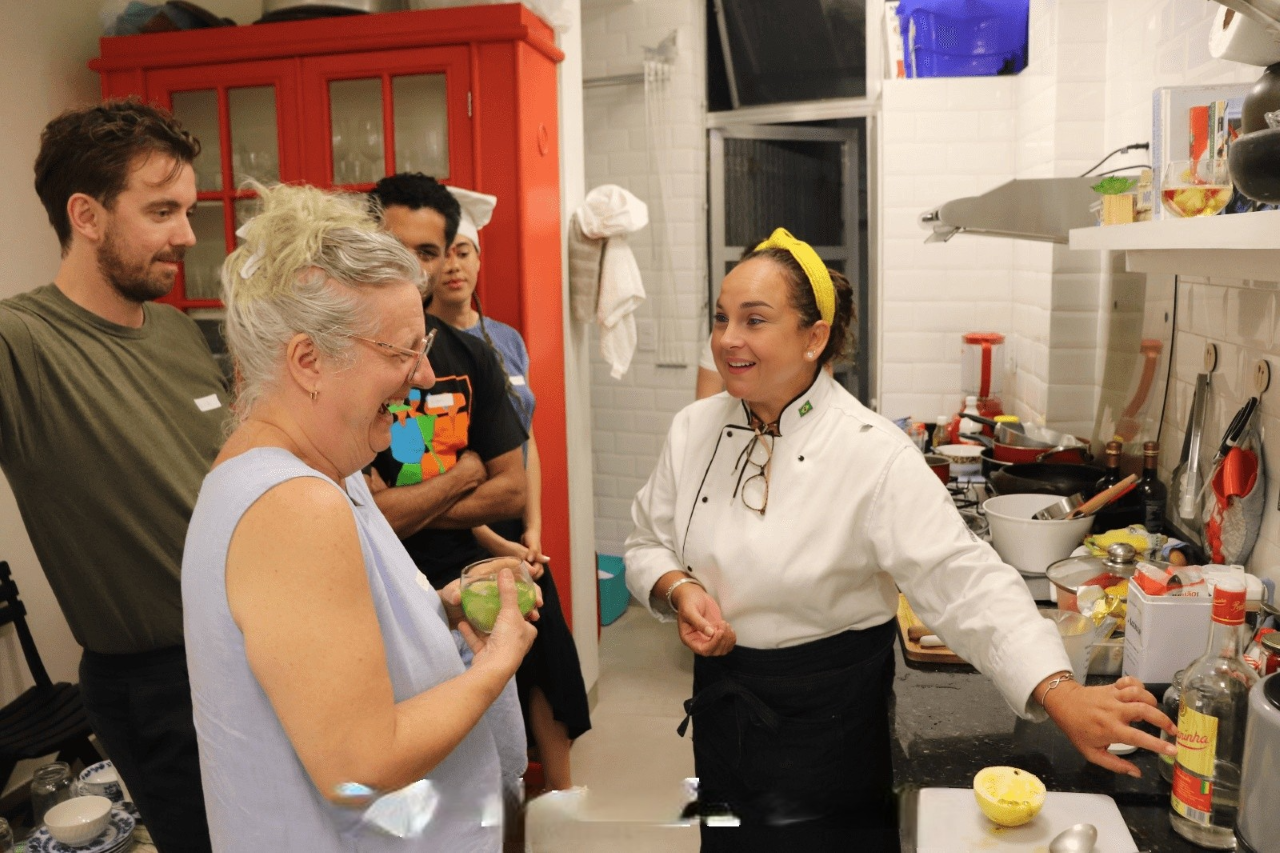
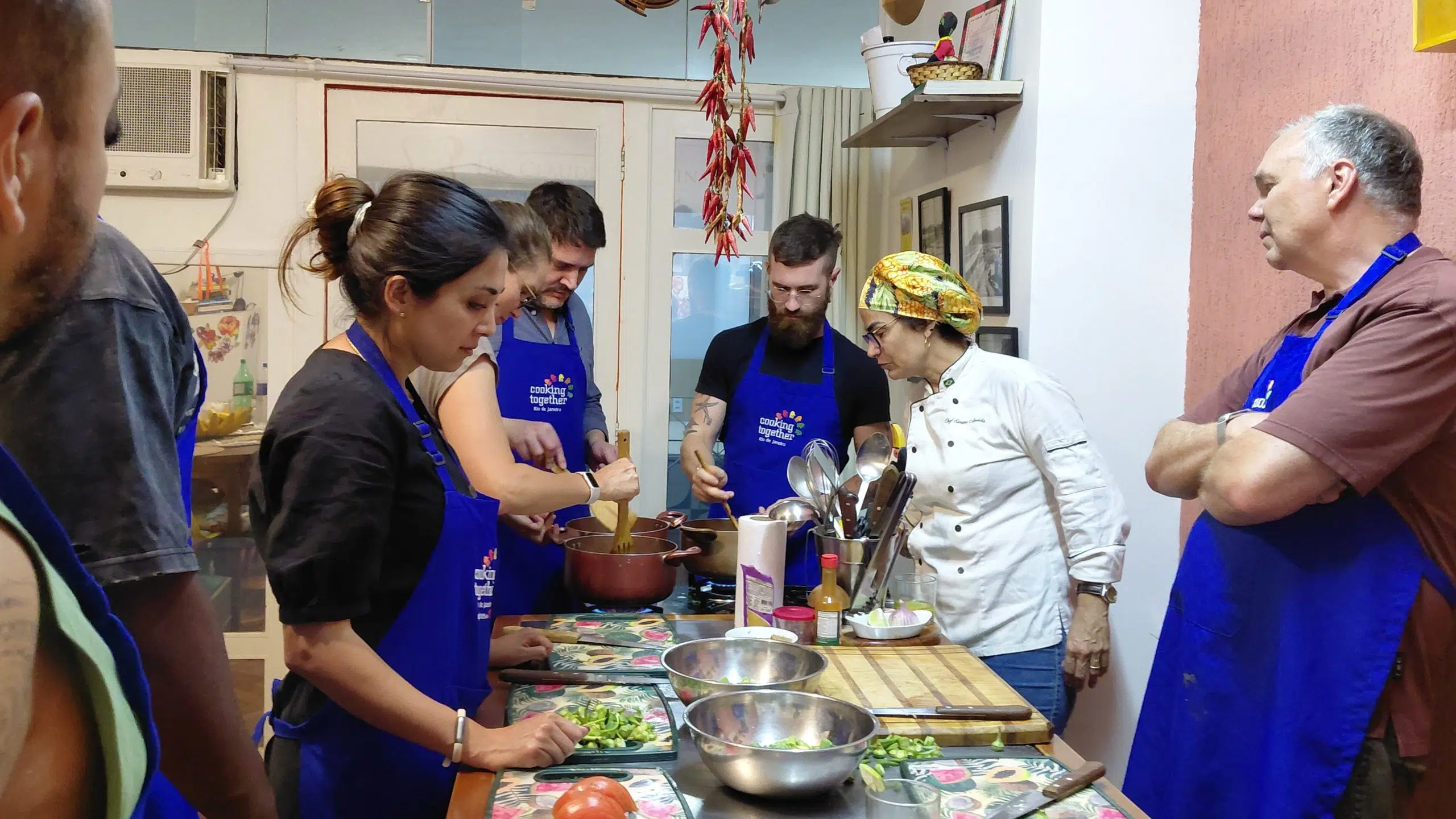
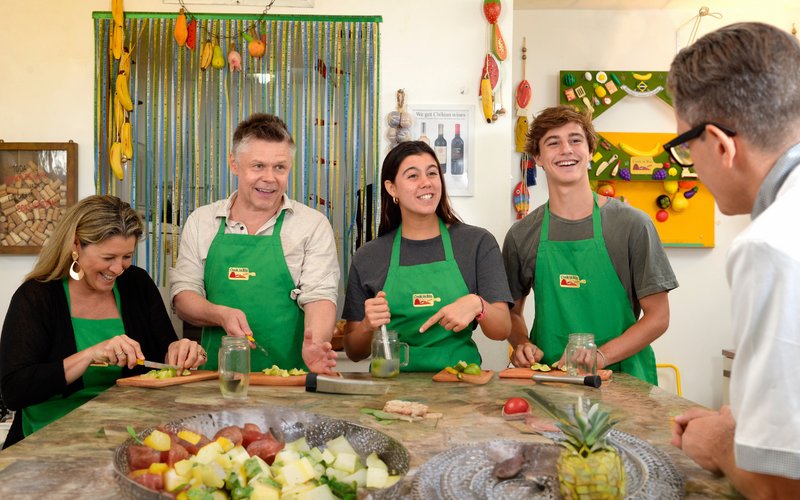
You climb to a kitchen — a third-floor apartment in Santa Teresa, perhaps, or a studio behind a garden wall. You wash your hands, tie an apron, and take a station. The caipirinha comes first, because it takes four minutes and loosens the room: you quarter a lime, muddle it against sugar, pour cachaça over crushed ice.
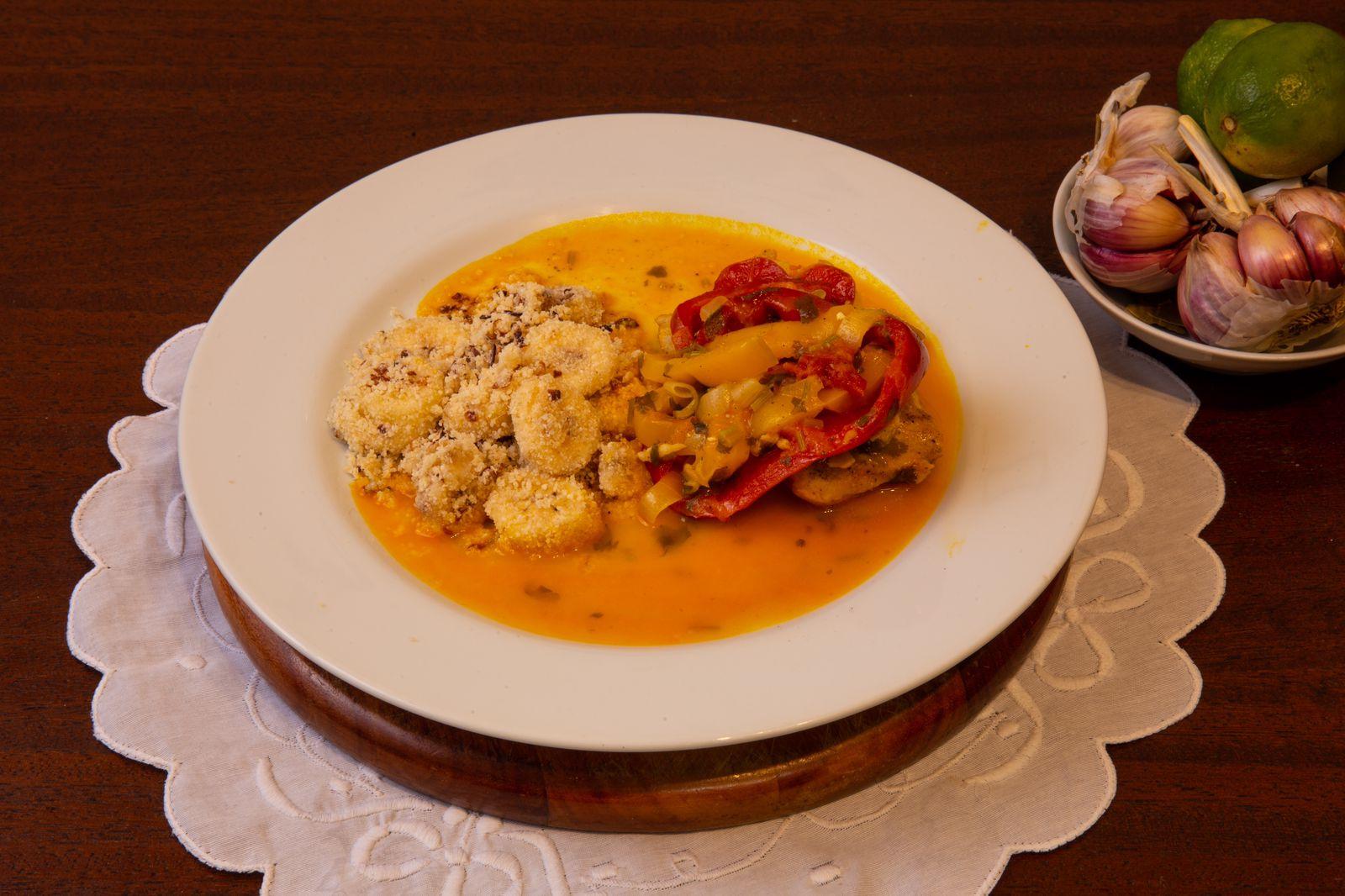
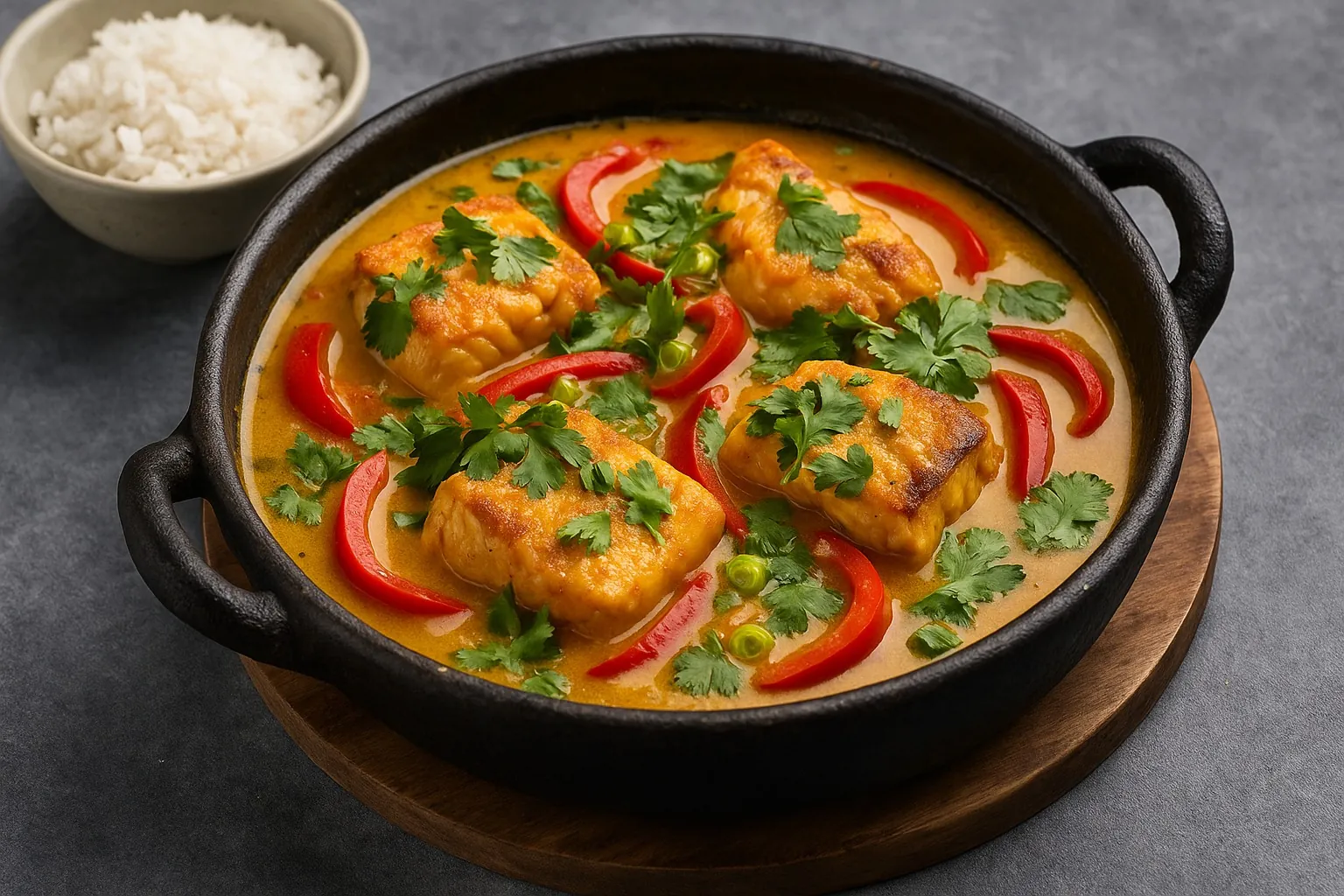
Then you work. You dice onion and pepper for the moqueca base, layer fish over the vegetables, pour coconut milk to the halfway mark. You stir a pot of black beans while someone else fries the couve into ribbons. Your chef corrects your knife angle without stopping the story they are telling about their grandmother.
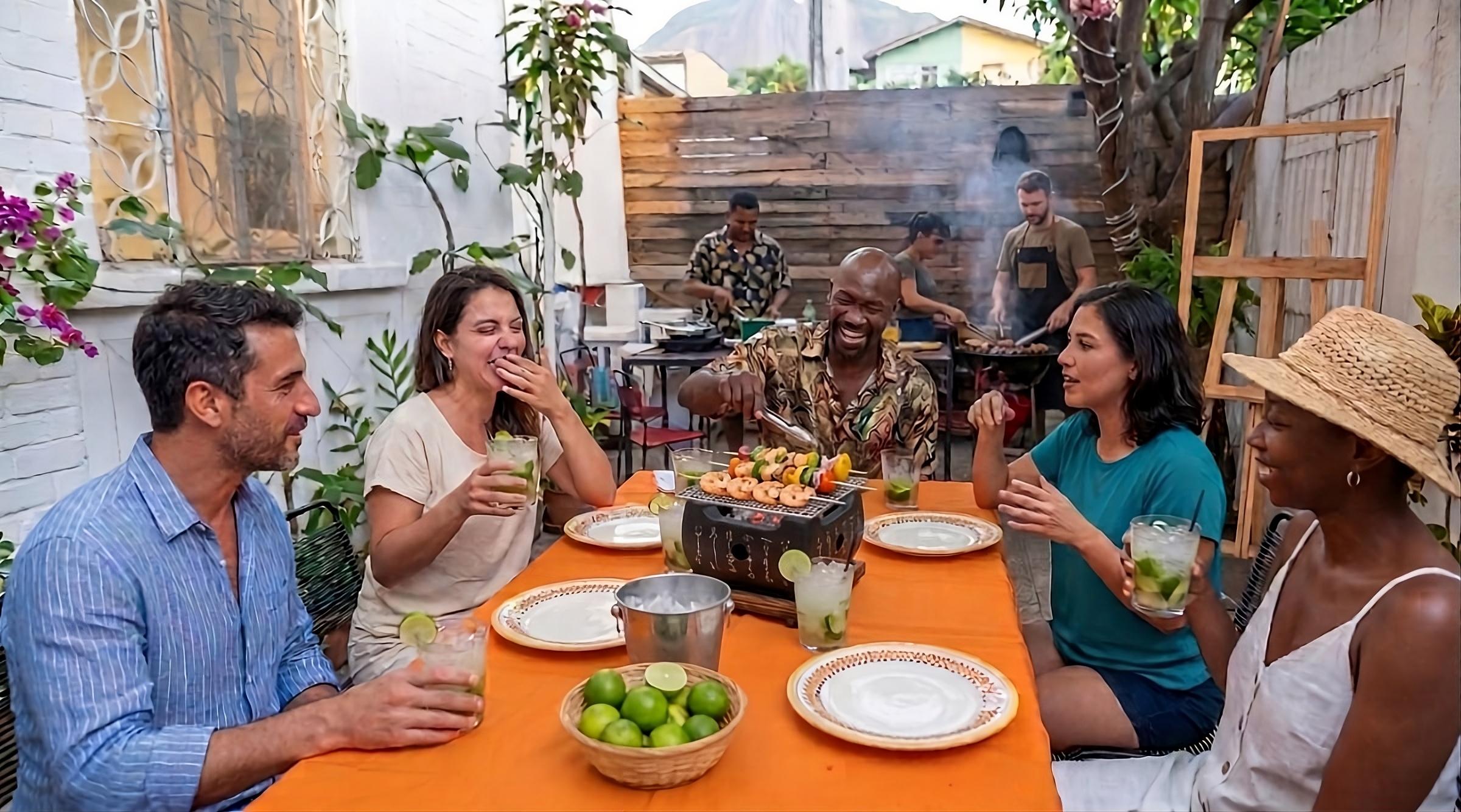
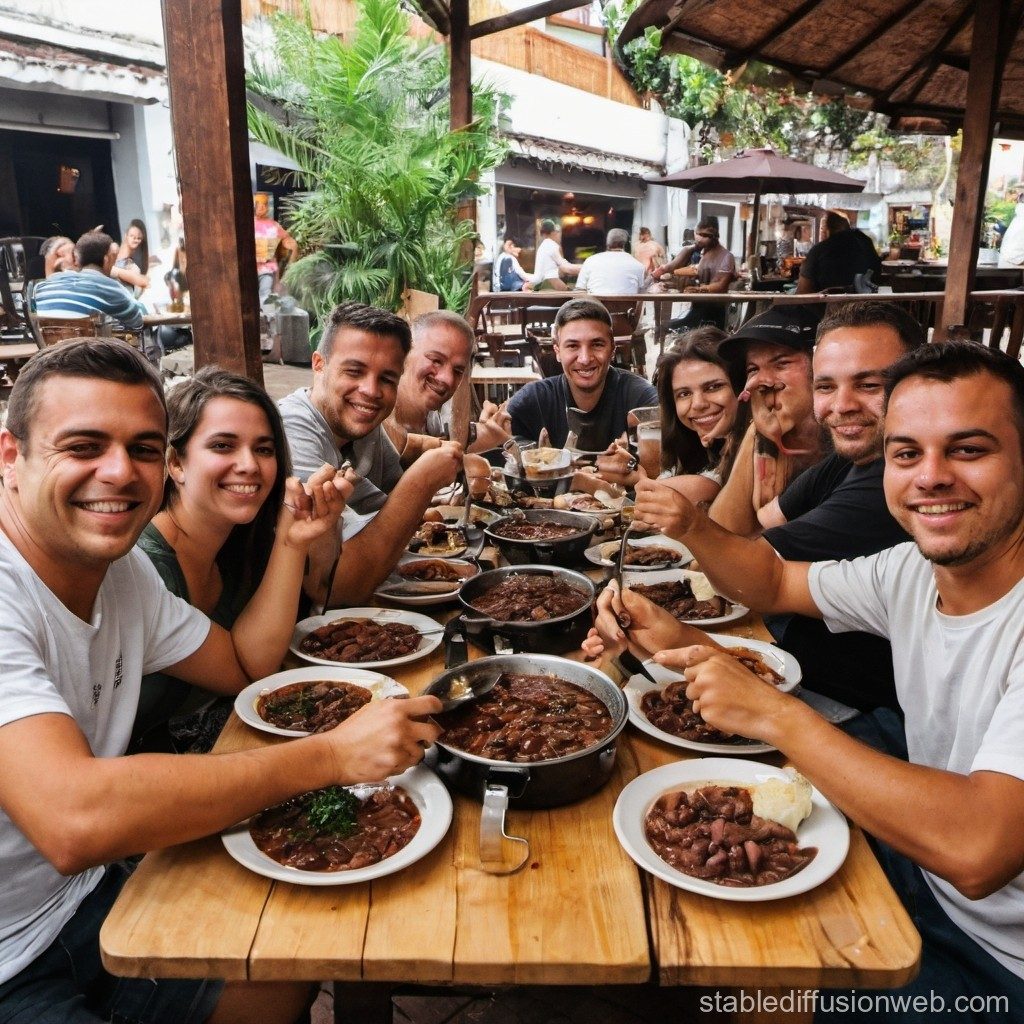
You eat what you made, at a long table, with the pots still on the stove. Someone passes farofa. A brazilian cooking class rio de janeiro session ends the way most Brazilian meals do — slowly, and with recipes written on the back of a receipt for you to take home.
All the details about your upcoming adventure in one place
Held in home kitchens and small studios around Santa Teresa, Botafogo and Ipanema, aulas de culinária carioca put you behind the stove beside a local chef. Most cooking classes in Rio de Janeiro tours build around a market stop for dendê oil, farofa, coriander and ripe passion fruit before you cook feijoada, moqueca baiana or hand-rolled brigadeiro. Sessions end at a shared table with a caipirinha and printed recipe cards to carry home.
Feijoada, the dish most often taught in Rio's home kitchens, was never a single recipe — regional versions differ so sharply that Bahian cooks omit the pork ear entirely. That variability explains why cooking classes in rio de janeiro rarely follow a fixed national syllabus.
Each instructor teaches a household lineage rather than a canon.
Brazilian cuisine assembled itself from three kitchens that met on the Atlantic coast. Indigenous Tupi cooks contributed manioc, its poisonous root processed into farinha and tapioca through techniques still used in Rio's northern markets. Portuguese settlers brought salt cod, olive oil, egg-heavy sweets and the clay pan. West African cooks, arriving through the port of Rio during the transatlantic slave trade, introduced dendê palm oil, okra, coconut milk and the layered stew logic that produces moqueca. The city's culinary vocabulary — vatapá, acarajé, bobó de camarão — carries Yoruba and Kimbundu roots in its very names.
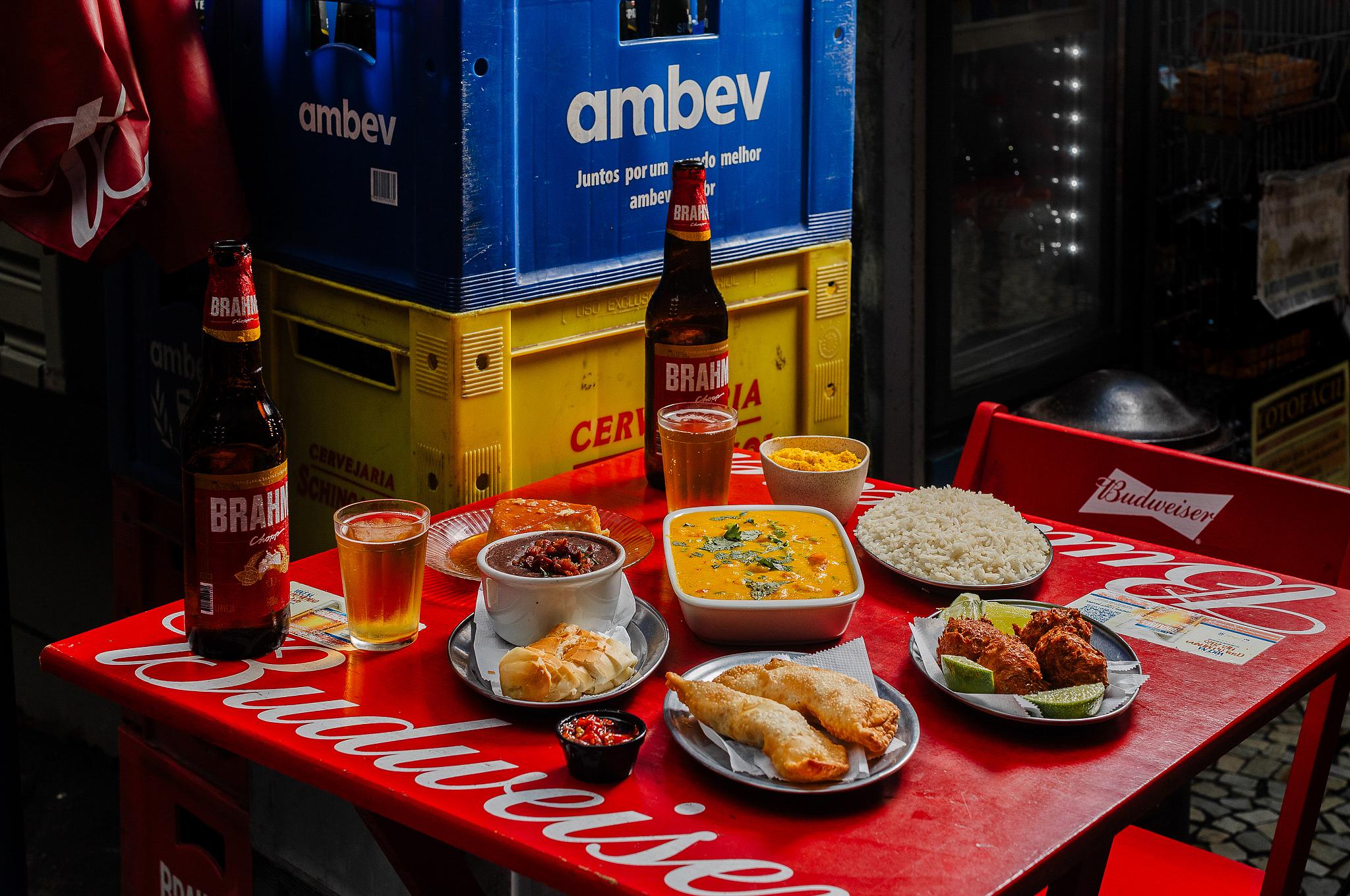
Rio's markets preserve this inheritance. The CADEG market in Benfica, opened in 1962, supplies the chayote, jiló and cachaça that instructors buy before a session begins. Feira livre stalls in Ipanema and Glória rotate weekly, selling jabuticaba, cupuaçu and graviola alongside the more familiar guava. Municipal ordinance still governs the botequim, the corner bar where the pastel and the bolinho de bacalhau became working-class staples during the industrial expansion of the 1940s.
What the modern brazilian cooking class rio de janeiro format offers is access to interiors otherwise closed to visitors. Sessions run from apartment kitchens in Santa Teresa, from restored casarões in Laranjeiras, from chef-owned studios in Botafogo. Some are conducted in Portuguese with translation; others in English by chefs trained at Senac Rio. The teaching method is oral and demonstrative — the correct thickness of a moqueca is judged by the sound the spoon makes, not by measurement.
Interest in brazilian food in brazil has grown alongside the country's restaurant scene, and Rio's operators have responded with tightly scoped curricula: one stew, one side, one dessert, one drink. The caipirinha demonstration, near-universal, teaches the distinction between cachaça de alambique and industrial column-still spirit. Instruction in cooking classes in rio de janeiro thus functions less as entertainment than as a short course in Brazilian material history, delivered through ingredients that arrived by canoe, caravel and slave ship.

The correct thickness of a moqueca is judged by the sound the spoon makes, not by measurement.
Casual and comfortable clothing is recommended for cooking classes in rio de janeiro tours. Closed-toe shoes are advised for safety in professional kitchen environments.
Secure storage for personal items is usually provided at the venue during your cooking classes in rio de janeiro tour. Keep valuables with you at all times.
Photography is generally permitted during cooking classes in rio de janeiro, provided it does not disrupt the chef or other participants. Please check with your instructor upon arrival.
Many cooking classes in rio de janeiro are suitable for families, though age restrictions may apply for handling knives. Check specific age requirements prior to booking.
Most venues hosting cooking classes in rio de janeiro are accessible, though historic buildings may have limitations. Confirm specific mobility needs with your operator before booking your cooking classes in rio de janeiro tickets.
All necessary ingredients and refreshments are included in the cooking classes in rio de janeiro curriculum. Outside food is typically not permitted due to kitchen safety protocols.
Operating Hours
09:00–18:00
Address
Various locations, Rio de Janeiro, Brazil
Accessibility
Varies by private kitchen venue
Best arrival window
09:00–17:00
Entrance Fee
0 BRL
Public transport · 60 mins · Low cost
Use the Metro Rio system to reach major districts and access cooking classes in rio de janeiro.
Taxi · 40 mins · Variable
App-based ride services provide direct door-to-door access to kitchen venues.
Private cooking classes in rio de janeiro typically require cancellation 48 hours in advance for a full refund. As there is no entrance fee of 0 BRL, policies focus on service provider labor and ingredient procurement costs.
Recommended time
4-6 hours
Most cooking classes in rio de janeiro require several hours to accommodate ingredient sourcing at local markets and the subsequent meal preparation. You should plan your schedule carefully within the daylight window, as these culinary experiences are private tour-based encounters. Booking cooking classes in rio de janeiro tours in advance ensures your host can secure fresh produce and workspace, while cooking classes in rio de janeiro tickets are typically handled through private reservation platforms rather than standard entry queues. Because these sessions rely on personalized instruction, there is no traditional crowd flow to navigate as you would find with major Brazilian landmarks or crowded tourist sites.
Crowd levels through the day
Weather · crowds · average price — dots go green to amber to red as each metric rises.
December to March features warm weather and vibrant local produce markets. Expect higher humidity during these months.
June to September offers milder temperatures ideal for indoor activities like cooking classes in rio de janeiro.
Secure your spot in popular cooking classes in rio de janeiro well in advance. Weekends often fill up quickly.
Inform your host about allergies or preferences before your cooking classes in rio de janeiro tour. Most operators can accommodate specific requests if notified early.
Various locations, Rio de Janeiro, Brazil
Confirm your specific meeting location after booking
Get directions
Exploring the local culinary scene is the perfect way to complement your cooking classes in rio de janeiro by tasting authentic regional flavors. You will find a variety of vibrant restaurants nearby where expert chefs serve traditional feijoada and moqueca.
Located in the hills of Santa Teresa, this restaurant offers a refined atmosphere perfect for trying Brazilian ingredients after your cooking classes in rio de janeiro tours. Reservations are recommended during peak weekend hours.
A local institution famous for its hearty feijoada and authentic atmosphere, making it a staple for those finishing their cooking classes in rio de janeiro tour. It is often crowded, so arrive early for a seat.
This iconic site provides a glimpse into Rio's history alongside classic pastries and savory snacks for anyone holding cooking classes in rio de janeiro tickets. Visit during the mid-afternoon to avoid the longest queues.
Real experiences from real travelers
Enjoyed the tour very much!
Everything you need to know for your journey
Classes operate daily from 09:00–18:00, with your best arrival window between 09:00–17:00. These cooking classes in rio de janeiro run year-round.
Yes, many providers welcome children, but verify age limits for cooking classes in rio de janeiro tours when booking.
No, all ingredients for cooking classes in rio de janeiro are provided by the instructor to ensure quality and safety.
Most cooking classes in rio de janeiro take place in central areas accessible via taxi or the Metro Rio network.
Yes, you are encouraged to photograph your progress during your cooking classes in rio de janeiro.
No, casual attire is standard for all cooking classes in rio de janeiro.
Cancellations are typically accepted 48 hours prior to the start of your cooking classes in rio de janeiro. As the entrance fee is 0 BRL, this protects operational time.
Most venues hosting cooking classes in rio de janeiro accommodate guests, but please confirm the specific site layout in advance.
Yes, these classes are often located near landmarks like Sugarloaf Mountain and can be combined into a full day.
Plan for 4-5 hours to allow for market visits and meal preparation during your cooking classes in rio de janeiro.
Iconic peak providing panoramic views of the city.
Famous stretch of sand ideal for post-class strolls.
Art Deco statue overlooking the entire landscape.
Coastal hotels offering high-end amenities.
Stylish neighborhood near artisan shops.
Join thousands of happy travelers who have discovered this incredible experience
Book Your Experience Now